If headaches or migraines are a regular part of your life, you already know how much they can take from you.
The lost workdays, the sensitivity to light, the dull weight behind your eyes that never quite lifts. Massage for headaches and migraines is not a quick fix, but there is genuine, research-backed evidence that it reduces both the frequency and duration of attacks, particularly for tension-type headaches and stress-related migraines.
What Are Headaches and Migraines
Headaches are one of the most common neurological complaints. They range from mild tension headaches caused by tight muscles in the neck and scalp to full migraine attacks.
Migraine is a neurological condition involving abnormal brain activity that affects nerve signals and blood vessels. It affects around 10 million people in the UK and is one of the leading causes of disability worldwide. Attacks usually involve moderate to severe throbbing pain, often on one side of the head, with nausea, vomiting, and sensitivity to light and sound.
Tension headaches are the most common type. They develop when muscles in the neck, shoulders, and scalp become chronically tight — often due to poor posture, stress, or long hours at a screen. Both types share a key link: the muscles and tissue around the head and neck play a big role in triggering and sustaining pain.
How Massage Helps Headaches and Migraines
The link between muscle tension and headache pain is well established. A clinical study published in the American Journal of Public Health found that massage therapy aimed at specific muscles cut the frequency of chronic tension headaches within the first week of treatment. Reductions continued throughout the study, and headache duration also tended to fall during the massage phase.
Traditional Thai massage tackles headache patterns by working along the sen energy lines of the neck, shoulders, and upper back. It uses pressure and assisted stretching to release deep muscle tension that sends pain up into the skull.
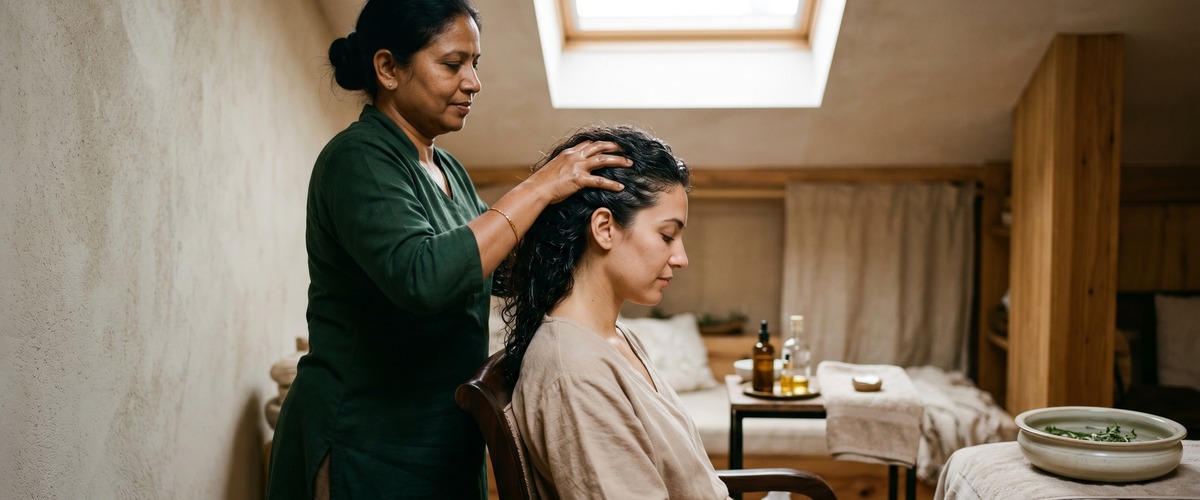
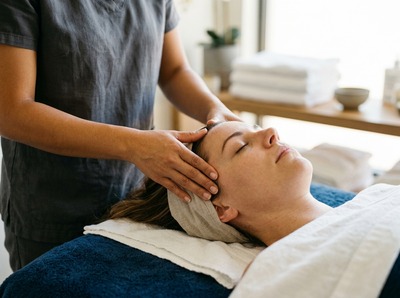
Thai oil massage applies the same principles with warmed oil, allowing steady pressure into the muscles at the base of the skull — one of the most common trigger-point sites for both tension headaches and migraines. Thai head massage focuses directly on the scalp, neck, and upper shoulders, targeting the exact muscle groups most linked to chronic headache patterns. You can book your session online and tell us about your headache history when you arrive.
Massage also lowers cortisol levels and activates the body’s rest response. This reduces the stress load that is one of the most common migraine triggers. Regular sessions build on each other: fewer triggers, less baseline tension, and a nervous system that is less likely to tip into an attack.
What to Expect at Glasgow Thai Massage
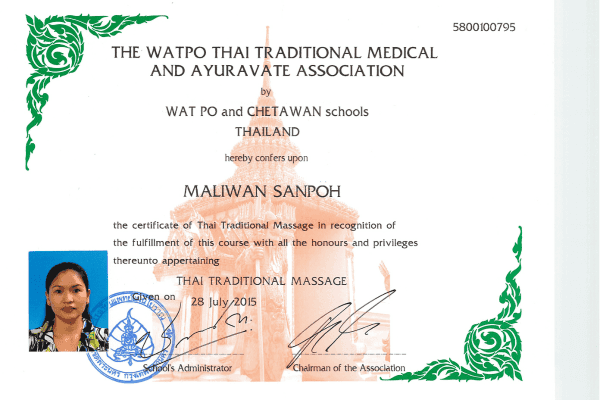
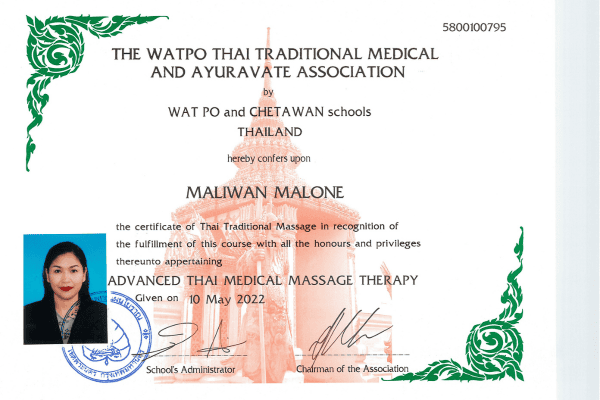
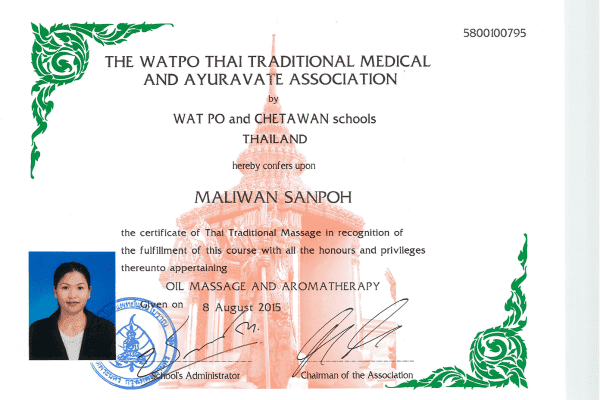
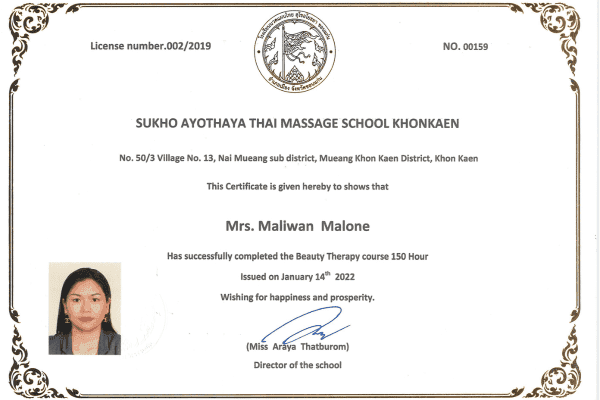
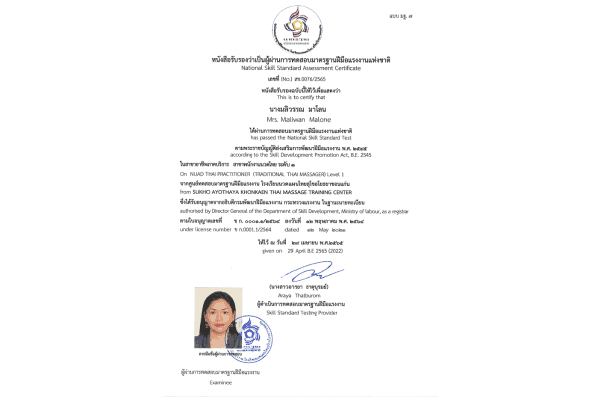
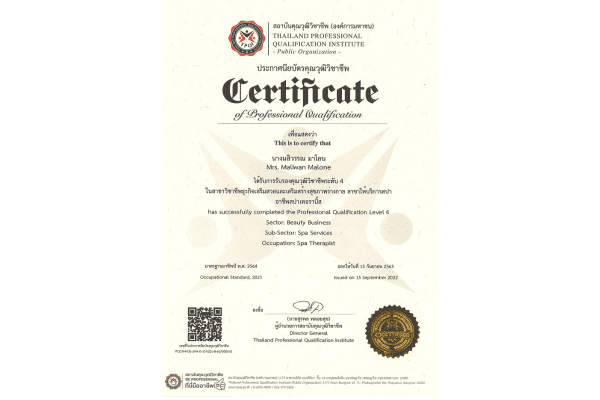
At Glasgow Thai Massage on West Nile Street in Glasgow City Centre, sessions for headache and migraine patterns begin with a short consultation. Maliwan trained at the Wat Pho Thai Massage School in Bangkok and has over 20 years of experience.
She will ask about where your pain sits, how often attacks happen, and where you hold the most tension. That shapes the session.
Depending on your needs, we may suggest a Thai head massage for focused relief, a traditional Thai massage to address the full postural picture, or a Thai oil massage for deeper work into the neck and upper back. Most clients feel noticeably lighter in the head and shoulders straight after. Book a session to get started.
Who Benefits Most
People who get the most consistent relief from massage tend to share a few things in common. Office workers at a screen for long hours, people carrying chronic stress or anxiety, and those whose headaches are clearly linked to neck and shoulder tightness all respond well.
Students during high-pressure periods and anyone who has noticed that stress or poor posture reliably sets off an attack are also strong candidates. If medication manages your symptoms but does not address the tension driving them, massage offers a way to work on the root cause.