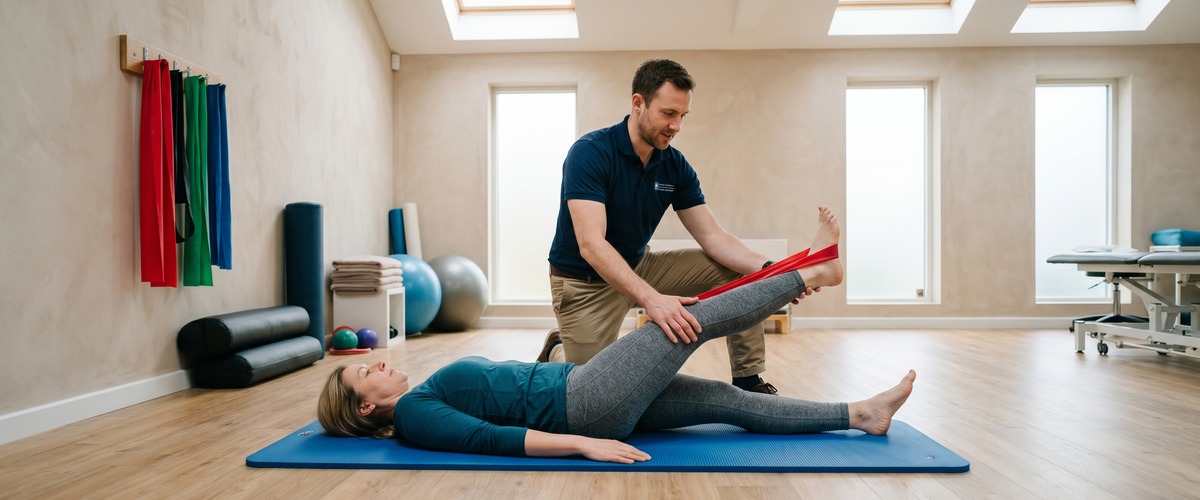
Whether you have strained a muscle, torn a ligament, or are working through the aftermath of a sports injury, the road back to full function can feel frustratingly slow.
Injury rehabilitation is not simply about waiting for the pain to go. It is about actively supporting your body through each stage of healing. The goal is to return to full strength, not limp back to a fraction of what you were before.
Massage therapy plays a well-documented role in that process. At Glasgow Thai Massage, we see the results of it regularly.
What Is Injury Rehabilitation
Sports and musculoskeletal injuries include sprains, strains, muscle tears, and soft tissue damage. They happen when force, repeated strain, or sudden impact disrupts the normal structure of muscles, tendons, or ligaments. The body responds with swelling, inflammation, and pain. These are natural defences.
Without proper care, these responses can lead to stiffness, scar tissue, and reduced movement. That damage can linger long after the original injury has healed.
Rehabilitation is the structured process of restoring strength, mobility, and function. It moves through several phases: reducing inflammation, rebuilding tissue, restoring range of motion, and returning to full activity. Skipping or rushing one phase often undermines the next.
How Massage Helps Injury Rehabilitation
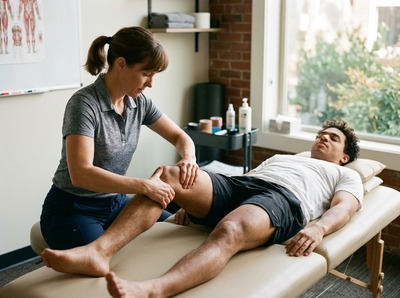
Massage tackles several of the key barriers that slow recovery. One of the most immediate effects is better circulation. When soft tissue is worked, blood flow to the injured area increases. This brings oxygen and nutrients that damaged tissue needs to repair.
This matters most in the mid-stages of recovery, when swelling has settled but tissue is still rebuilding. NHS guidance on sprains and strains highlights that restoring movement and reducing stiffness are central recovery goals. Targeted massage supports both directly.
Scar tissue is another major concern. As soft tissue heals, the body lays down collagen in a disorganised pattern. Left alone, this creates adhesions that limit movement and cause pain long after the injury has healed.
Deep tissue work helps break down and realign that collagen. This reduces restriction and improves tissue quality. A review on PubMed examining massage and scar outcomes found clear improvements in scar formation, pain, and related anxiety in patients receiving regular massage.
At Glasgow Thai Massage, Thai sports massage combines deep tissue techniques with targeted soft tissue work. It is one of the most effective options for people in active rehabilitation.
For those whose injury has left wider tension across surrounding muscle groups, traditional Thai massage uses assisted stretching and acupressure along the body’s sen energy lines. This restores mobility and eases the tension that builds when the body guards an injured area.
Book your session today and start supporting your recovery properly.
What to Expect at Glasgow Thai Massage
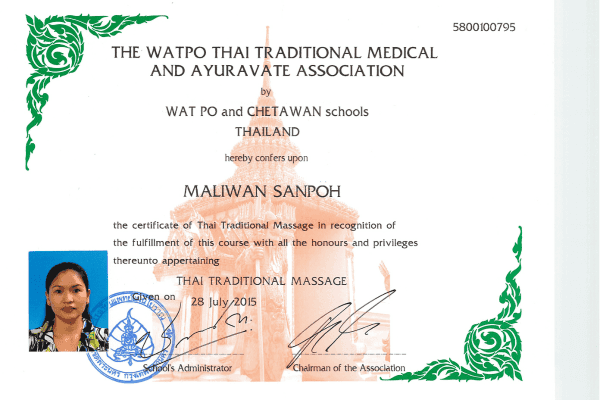
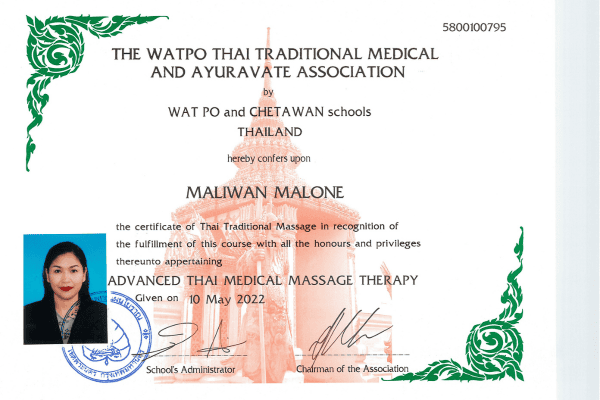
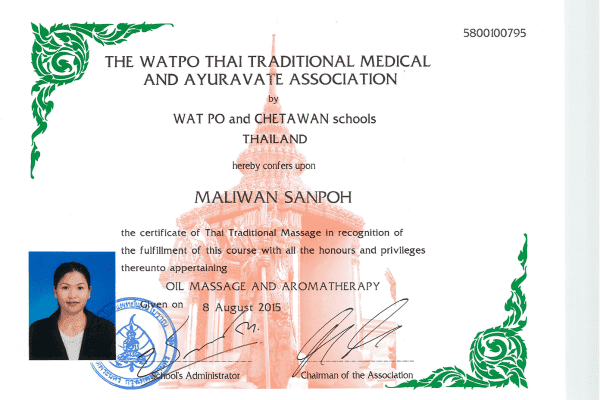
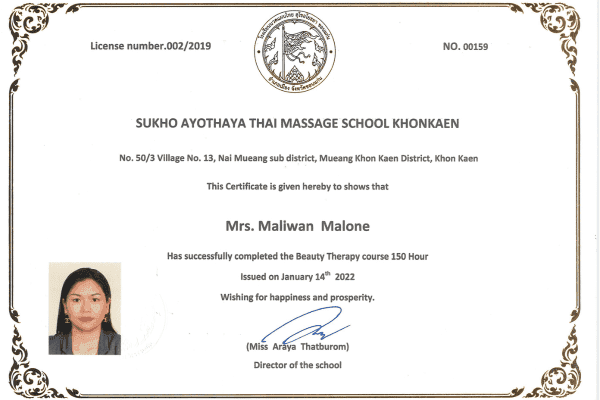
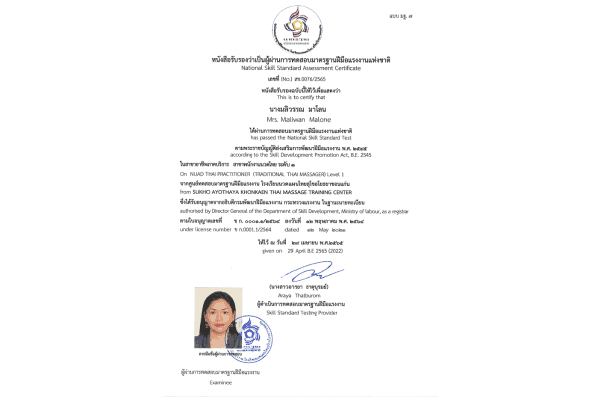
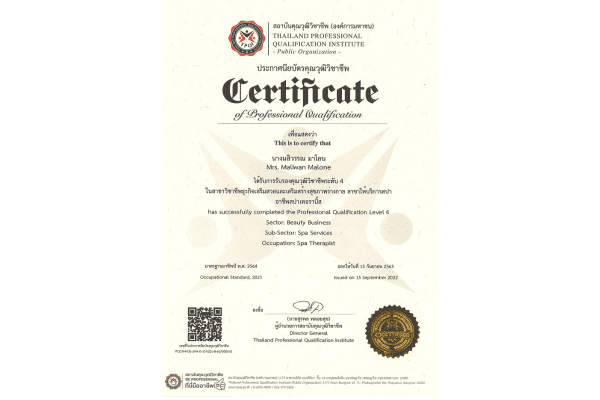
A rehabilitation session begins with a conversation about your injury. How it happened, where you are in recovery, and what your current limits are. Maliwan trained at the Wat Pho Thai Massage School in Bangkok and brings over 20 years of practice. She tailors every session to your needs.
She will not work against your recovery. She will work with it, using the right pressure and technique for your stage of healing. In the earlier stages, the focus is on easing tension in surrounding muscles and improving circulation to the injured area.
As you progress, sessions shift toward restoring full range of motion and addressing scar tissue and adhesions. You can book your rehabilitation session online at our studio on West Nile Street in Glasgow city centre.
Who Benefits Most from Rehabilitation Massage
Rehabilitation massage is most valuable for runners, cyclists, and gym regulars recovering from soft tissue injuries. It also helps office workers managing repeated strain in the neck, shoulders, or wrists. People recovering from ankle sprains, knee injuries, or muscle tears in recreational sport benefit too.
So does anyone discharged from physiotherapy who still has residual tightness or restricted movement. If you have recovered but not fully regained your pre-injury range of motion, get in touch to book your appointment — it is the right next step.