Essential Oil Safety Index 2026
Essential oils appear across beauty, skincare, nail, aromatherapy, and massage contexts with a frequency that can make them feel routine. Behind that familiarity sit documented safety considerations — phototoxicity, skin-sensitisation risk, dilution limits — that are rarely presented in one citable place. This index draws together safety data for 11 of the most widely used oils, sourced exclusively from Tisserand Institute and NAHA published guidance, so practitioners, formulators, and informed consumers have a single reference they can check and cite.
The data covers five dimensions: maximum safe dermal dilution, phototoxicity, skin-sensitisation risk, pregnancy caution, and documented contraindications. Not every source addresses every oil on every dimension; where a value is absent from the cited pages, this index records it as not stated rather than safe.
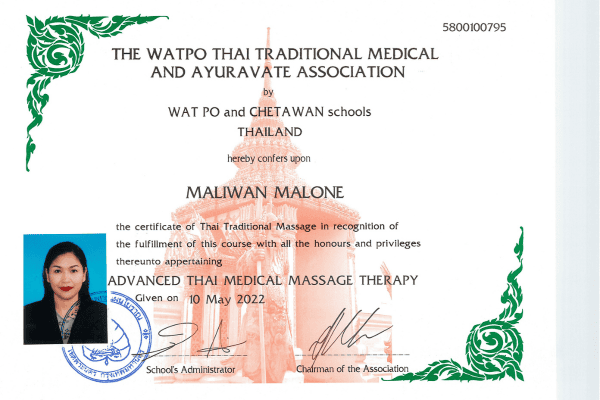
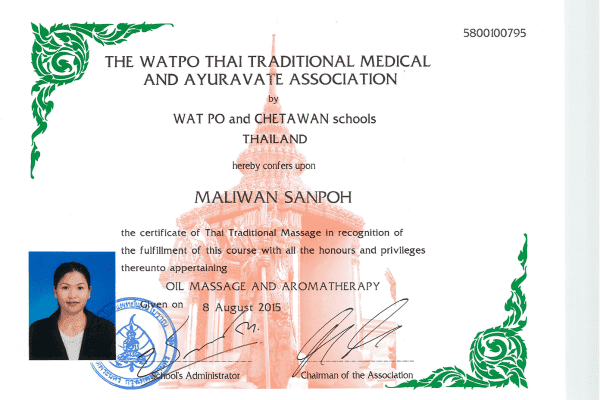
Several of these oils feature in our aromatherapy massage treatments, which is what prompted us to compile this reference.
Methodology
Eleven essential oils were assessed across five safety dimensions using publicly available guidance from two primary sources: the Tisserand Institute and the National Association for Holistic Aromatherapy (NAHA). Every data point in this index carries a direct source URL; no value has been inferred, extrapolated, or sourced from non-citable material.
Where a safety parameter for a given oil was not addressed on a freely accessible page from these sources, the field is recorded as not stated. This is a factual absence of a cited value, not a statement of safety. The dataset was compiled on 8 June 2026. Practitioners and product developers should cross-reference with current regulatory guidance relevant to their jurisdiction.
Key findings
The aggregate picture across 11 oils reveals significant gaps in publicly citable safety data alongside several clear warnings that apply directly to common practice decisions.
6 of 11 oils (55%) have at least one documented contraindication according to Tisserand Institute or NAHA published guidance, while no oil in the dataset was explicitly cleared of contraindications.
Only 3 of 11 oils have a stated maximum dermal dilution limit in the sources reviewed, with values ranging from 0.4% (bergamot) to 2% (peppermint) — meaning the dermal safety ceiling for 8 of 11 common oils is simply not stated on a free citable page.
3 of 11 oils are flagged as skin sensitisers (tea tree, lemongrass, ylang ylang), and for tea tree the risk is specifically linked to oxidation of the oil during storage, a factor relevant to any practitioner using older stock.
1 of 11 oils is confirmed phototoxic in this dataset: bergamot, which also carries the lowest stated dermal limit at 0.4%. Sweet orange and ginger are explicitly stated as non-phototoxic by the Tisserand Institute; phototoxicity status for the remaining eight oils is not addressed in the sources reviewed.
0 of 10 oils with a stated pregnancy value are flagged as requiring pregnancy caution, based on NAHA guidance. Lemongrass is the only oil where the pregnancy dimension is not stated in the reviewed sources.
The full data
| Oil | Max Dermal Dilution (%) | Phototoxic | Skin Sensitiser | Pregnancy Caution | Has Contraindications | Source |
|---|---|---|---|---|---|---|
| Lavender | — | — | — | No | — | NAHA Safety |
| Eucalyptus | — | — | — | No | Yes | NAHA Safety |
| Peppermint | 2% | — | — | No | Yes | Tisserand Institute |
| Tea Tree | — | — | Yes | No | Yes | Tisserand Institute |
| Sweet Orange | — | No | — | No | — | Tisserand Institute |
| Lemongrass | 0.7% | — | Yes | — | Yes | Tisserand Institute |
| Ginger | — | No | — | No | — | Tisserand Institute |
| Frankincense | — | — | — | No | — | NAHA Safety |
| Roman Chamomile | — | — | — | No | — | NAHA Safety |
| Ylang Ylang | — | — | Yes | No | Yes | Tisserand Institute |
| Bergamot | 0.4% | Yes | — | No | Yes | Tisserand Institute |
Key: Yes = flagged true in source. No = stated false in source. — = not stated in reviewed sources.
Embed this research
6 of 11 common essential oils have documented contraindications according to publicly available Tisserand Institute and NAHA guidance.
Source: Glasgow Thai Massage — Essential Oil Safety Index 2026