Your body gives you warning signs before things go wrong: persistent tightness in a hamstring, a shoulder that catches on certain movements, a lower back that aches after every run.
These are not problems to train through. They are signals that your soft tissue needs attention. Ignoring them is one of the most reliable routes to a real injury.
Massage for injury prevention addresses those warning signs directly. It keeps muscles, tendons, and connective tissue in the condition they need to cope with the demands you place on them.
What Is Sports Injury and Why Prevention Matters
A sports injury, as outlined in NHS guidance on sports injuries, occurs when physical activity damages muscles, tendons, ligaments, or joints. Common examples include sprains, strains, tendon problems, and stress fractures. They affect people at every level — from competitive athletes to those who exercise regularly for their health.
Most soft tissue injuries share a root cause: too much stress on tissue that has not had enough time or support to recover. Muscle imbalances, limited range of motion, and old tension from previous activity all raise the risk.
Injury prevention is not simply about warming up properly. It is about keeping your body healthy between sessions.
How Massage Helps With Injury Prevention
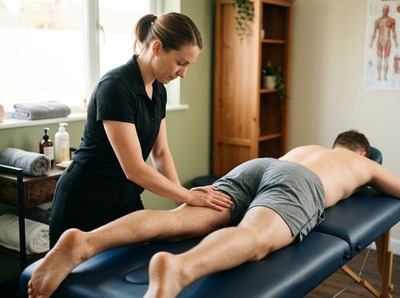
Massage works on the things that lead to injury — before injury happens. It improves blood flow to muscles and connective tissue. That brings oxygen and nutrients that keep soft tissue healthy and supple.
Less muscle tension means less strain on tendons. It also means less load on joints when you move.
A systematic review of sports massage published in PMC found that massage produces a small but real gain in flexibility compared with no treatment. It also reduces delayed onset muscle soreness. Both outcomes cut injury risk.
Flexible tissue handles sudden load better. Muscles that recover fully between sessions are more resilient. You can book your session online to start building that resilience.
At Glasgow Thai Massage, the treatments most useful for injury prevention are Thai sports massage and traditional Thai massage. Thai sports massage is built around recovery and performance.
Traditional Thai massage combines assisted stretching, acupressure, and work along the body’s energy lines. It improves joint mobility and releases tension across the whole body.
What to Expect at Glasgow Thai Massage
A session focused on injury prevention starts with a conversation. We ask about your activity level, where you carry recurring tightness, and what you are training for. From there, the treatment is shaped around your body’s specific needs.
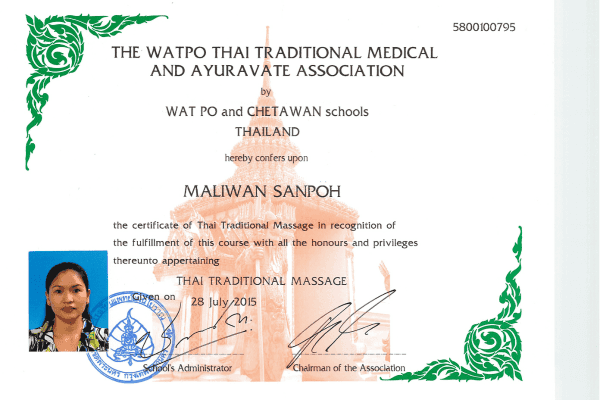
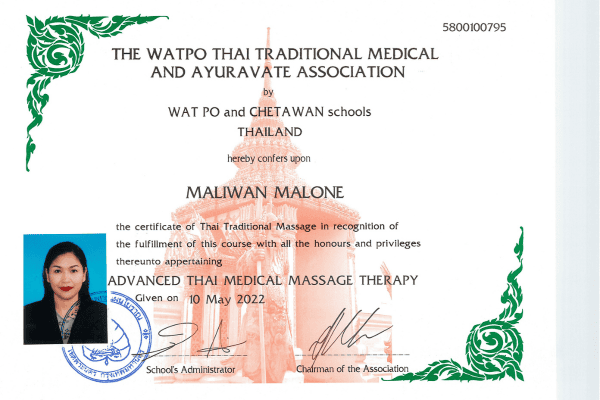
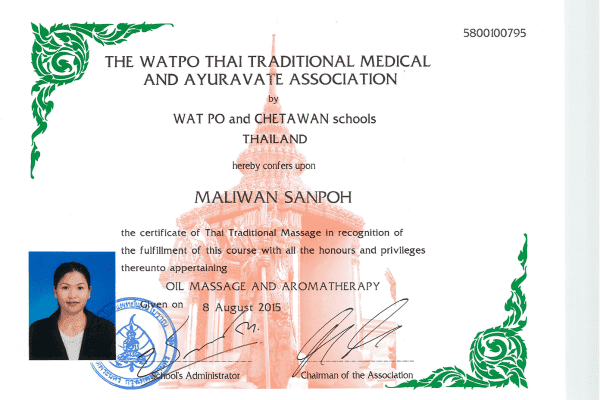
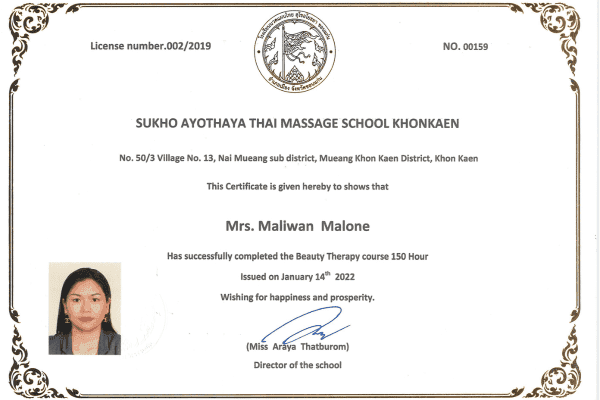
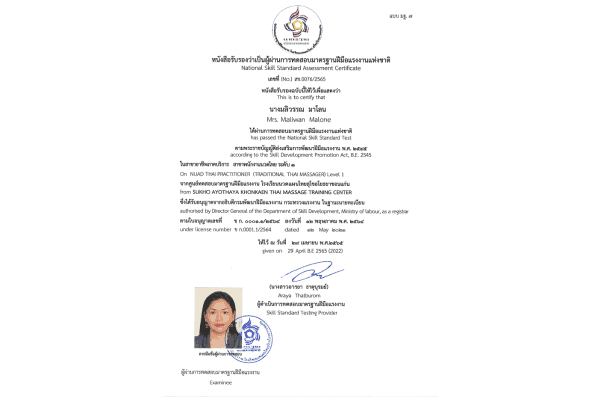
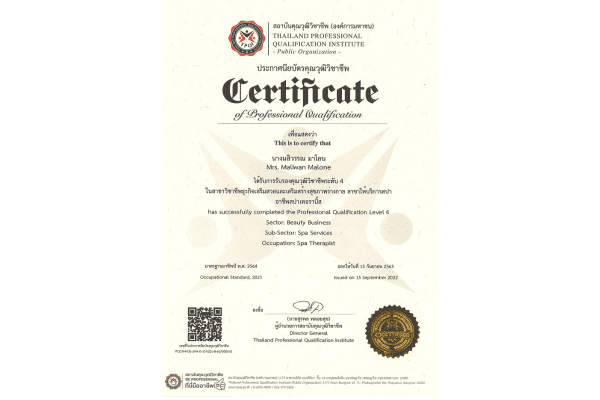
Maliwan trained at the Wat Pho Thai Massage School in Bangkok. She brings real skill to spotting where tension is building and why.
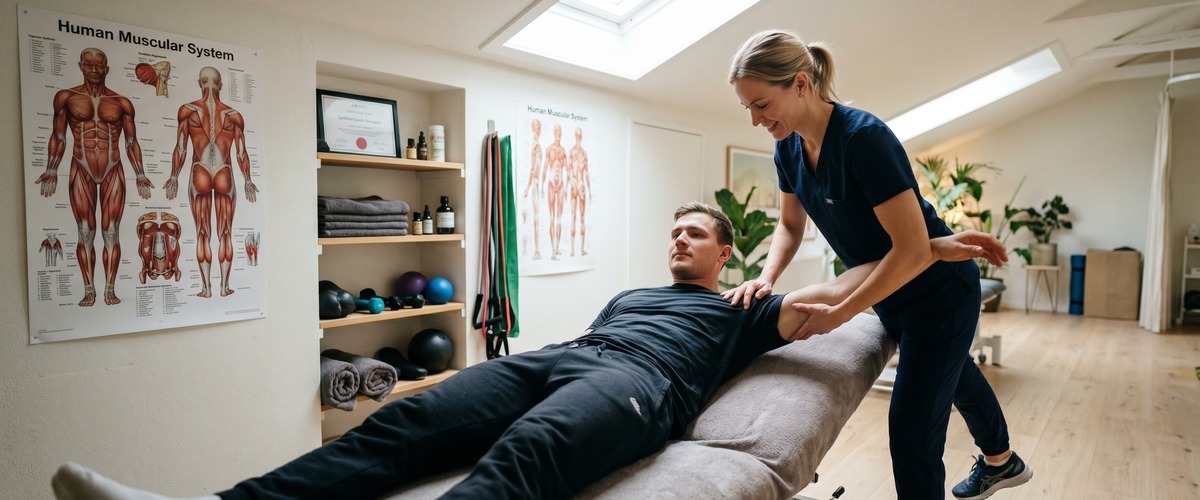
If you are following a sport or training programme, Thai sports massage will work into the muscle groups under most load. It releases trigger points and corrects imbalances before they become problems.
Traditional Thai massage takes a whole-body approach. Assisted stretching and acupressure restore range of motion and ease restriction across multiple areas in one session.
Both treatments are available at our studio at Victoria Chambers, 142 West Nile Street, Glasgow city centre. Book a treatment online and let us know what you are working on.
Who Benefits Most From Massage for Injury Prevention
Anyone who places repeated physical demands on their body stands to benefit. This includes runners, cyclists, swimmers, and gym-goers following progressive training plans.
It also includes people whose work involves physical labour, repetitive movements, or fixed postures — construction workers, nurses, warehouse staff, and desk workers whose postural strain builds just as quietly as any training load.
If you are returning to exercise after a break, or have a history of recurring strains in the same area, booking regular sessions with Glasgow Thai Massage is one of the most practical steps you can take to stay active without setback.