What Is Advanced Neuromuscular Therapy in Glasgow?
Advanced neuromuscular therapy is a targeted form of bodywork. Before any hands-on work begins, we work out whether your pain is coming from a tight knot in the muscle, a nerve that’s being squeezed, or muscles that have simply forgotten how to work together — because each one calls for a different approach if it’s actually going to shift. This is for anyone whose pain follows a clear, traceable pattern rather than general tiredness. That’s the part most massage menus skip past: they treat every ache the same way, when the cause rarely is.
At Glasgow Thai Massage, this work draws on deep tissue massage, which reaches the deeper layers of muscle and fascia. It also uses steady pressure on trigger points and careful soft tissue work around squeezed nerves. There’s no fixed routine.
The order depends on what your body shows on the day. You can book your session online once you know which pattern fits your pain.
Three Causes of Pain, Three Different Sequences
A sore shoulder can come from a number of different places. The hands-on work we do changes depending on which one it is.
- A tight knot in the muscle. A tender, tight band that sends pain somewhere else in the body. It responds to firm, steady pressure held on the spot until it softens and lets go.
- A squeezed nerve. Here, a nerve is being pressed on by tight tissue around it. Pushing hard on the sore spot often makes this feel worse. Instead, we work on the surrounding tissue, to give the nerve some breathing room.
- Muscles out of sync. Sometimes muscles fire in the wrong order, so one group ends up doing all the work. We release that overworked muscle first, then use gentle stretching and movement to bring the quieter muscles back into the picture.
Get the order wrong and the pain tends to creep back within days. Get it right and it tends to stay away.
What Are the Benefits of Advanced Neuromuscular Therapy?
The real benefit here is relief that actually lasts. This treatment gets to what’s driving the pain, not just what’s sitting on the surface of it. Most clients notice the change in ways they can point to clearly.
How Trigger Point Therapy Targets Chronic Tension
Trigger point therapy eases tight bands of muscle that send pain elsewhere in the body. A knot in the shoulder, for instance, can bring on a headache. Paired with wider neuromuscular work, the benefits reach further still:
- Eases pain that travels, like shoulder tension that shows up as a headache
- Calms nerve symptoms such as tingling, numbness, or a shooting feeling down the leg
- Helps restore normal movement patterns after an injury, so one muscle group stops carrying all the load
- Improves movement in joints that have been held tight and guarded for months
- Eases how often tension headaches strike by releasing the neck and jaw
- Breaks the pattern of pain returning days after a general relaxation massage
Who Is Advanced Neuromuscular Therapy For?
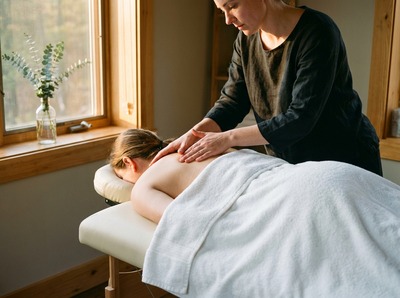
This treatment is well suited to pain with a clear pattern to it — worse in one spot, following a nerve pathway, or flaring up with one particular movement.
Maliwan describes a client who had lived with sciatica for eighteen months. They had already tried physio and stretching with no lasting change. Four sessions over two months released the tightness that was pinching the nerve, and the pain went.
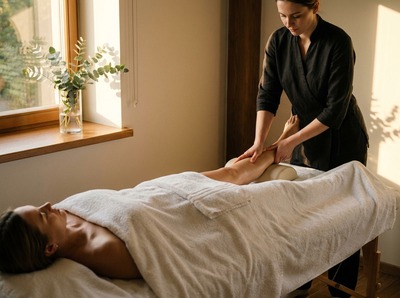
They now come in every six weeks, not to fix a problem, but to keep it from ever coming back.
In our experience, most people who tell us “massage never worked for me” weren’t given a bad massage. They were given the wrong approach for what was actually going on. Deep pressure on a squeezed nerve, for example, can leave it more irritated, not less.
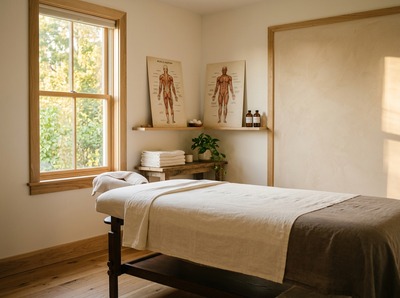
Broad, relaxing strokes won’t help sort out a movement problem. As Maliwan puts it, a lot of clients arrive thinking they just need to relax, when what they really need is to understand why their body ended up this way. Once they understand the why, they tend to come back regularly, rather than just the once.
It also suits athletes managing repetitive strain, and office workers around West Nile Street and Blythswood Square who feel tingling in their hands after a long day at a desk. If your relief has always faded quickly, the pattern behind it was probably never properly identified in the first place.
What Happens During an Advanced Neuromuscular Therapy Session?
A session starts with a conversation. Where the pain sits, when it began, what tends to make it worse. Only then do we take a look at how you move, before any hands-on work begins.
What to Expect From Deep Tissue Massage and Neuromuscular Work in Glasgow, Scotland
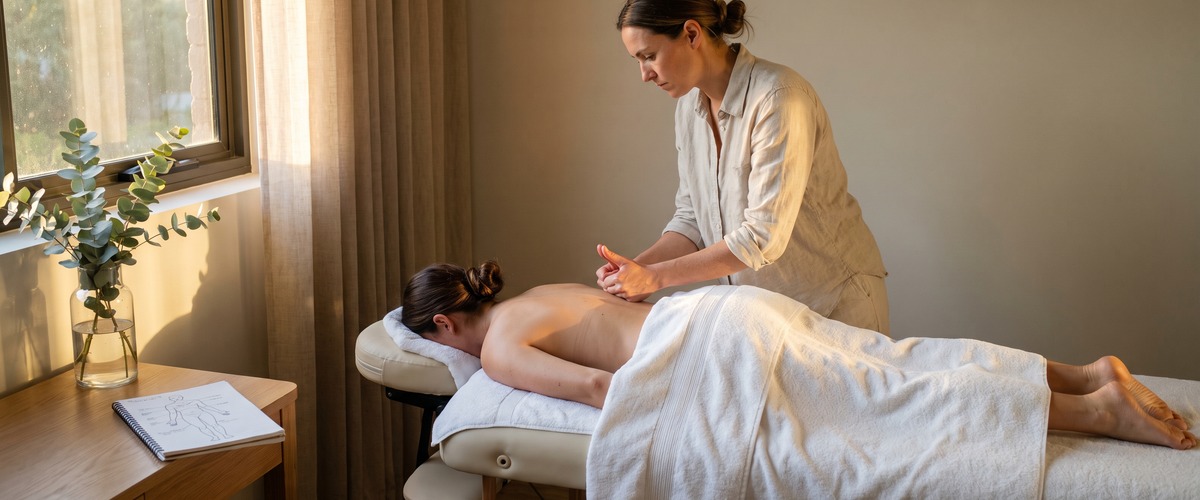
Expect 60 to 90 minutes on the table. You undress to whatever you’re comfortable with for oil-based deep tissue work, and your privacy is protected throughout. The pressure is firm and focused rather than gentle and general.

Some spots feel intense as a tight knot releases. It should still feel like useful, purposeful work — never pain that lingers — and we check in with you as we go. You might feel a little sore for a day or two afterwards, much like after a good workout.
Then the easier movement sets in. You can book an appointment directly. Or read more about how deep tissue massage works if you’re weighing up treatments.
Why Choose Glasgow Thai Massage for Advanced Neuromuscular Therapy?
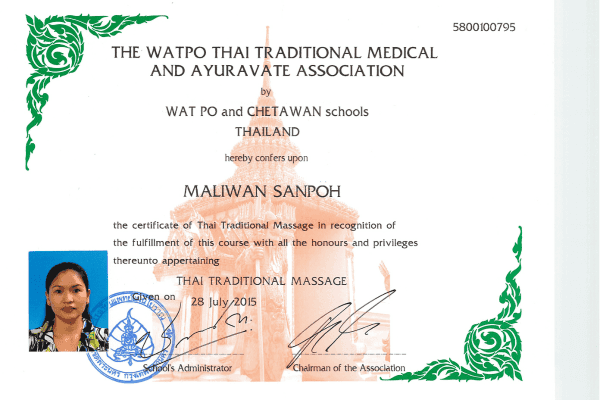
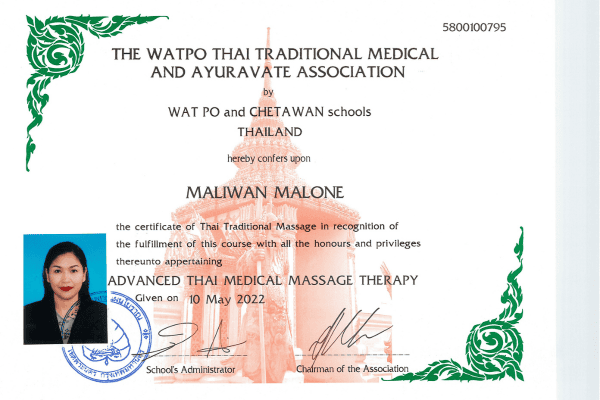
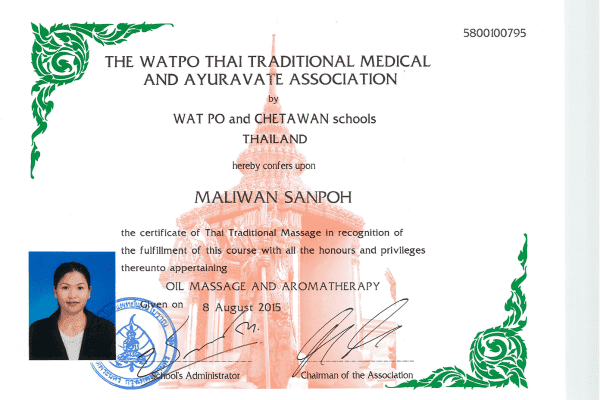
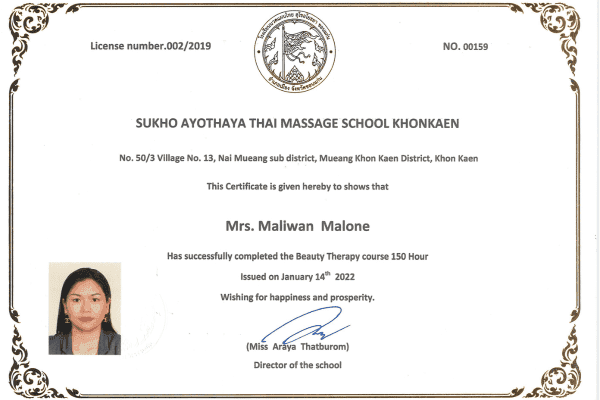
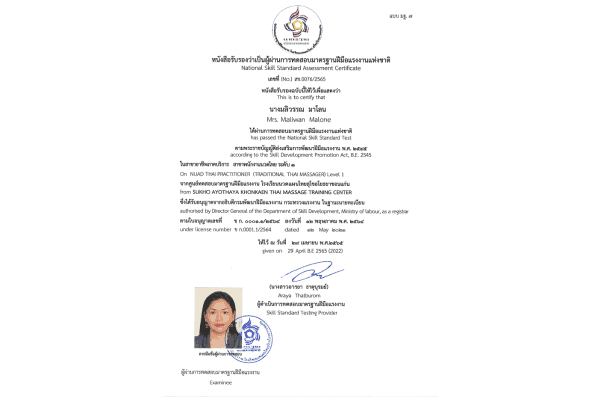
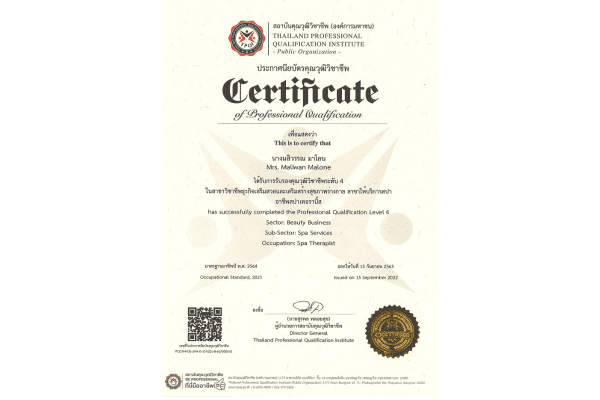
Glasgow Thai Massage is a traditional Thai massage studio in Glasgow city centre. We offer authentic Thai massage, deep tissue, and Thai sports massage from trained therapists, with strong client reviews. Owner Maliwan trained at Wat Pho Thai Massage School in Bangkok and has over 20 years of practice.
That background shapes how neuromuscular work is done here: find the cause first, choose the technique second. For sciatica or referred leg pain, our sciatica treatment page goes into more depth.
The studio sits in Victoria Chambers on West Nile Street, just a few minutes from Buchanan Street subway. That matters more than it might sound. This kind of work is at its best with repeat sessions, and being a short walk from the office makes it easy to keep coming back.
Explore our full range of treatments to see how neuromuscular work fits alongside Thai sports massage and Thai oil massage. When did you last give your body this kind of attention?