Nurses & Healthcare Workers: Thai Massage in Glasgow
Twelve hours on your feet. Patient transfers before the morning break. A night shift followed by a day shift three days later. The rotating-shift body carries a specific load, and generic massage rarely addresses it. Thai massage for nurses at Glasgow Thai Massage starts from an understanding of that load pattern, not from a spa menu.
The lower back and shoulders take the most consistent damage. Patient transfers and repositioning require forward flexion and load-bearing from awkward positions, often dozens of times per shift. Research consistently places lower back pain as the most prevalent musculoskeletal problem in nursing, with the neck and upper back following closely.
Twelve hours of leaning over beds and documentation screens pulls the cervical spine forward and loads the upper trapezius continuously. Feet and lower legs carry the compounding effect of prolonged standing on hard ward floors. Then the rotation itself: when your sleep pattern shifts every few days, the nervous system never fully resets, and muscle tension never fully releases between shifts.
Why Healthcare Workers Choose Traditional Thai Massage in Glasgow
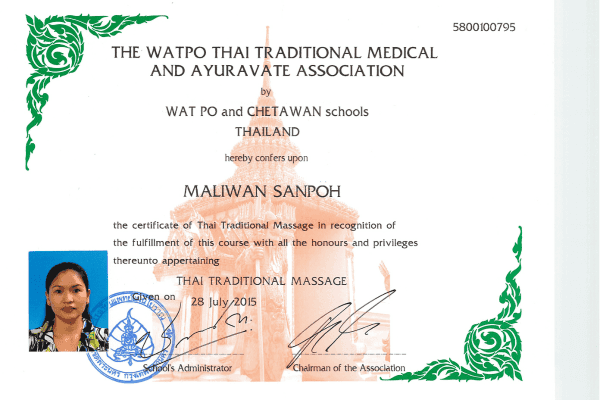
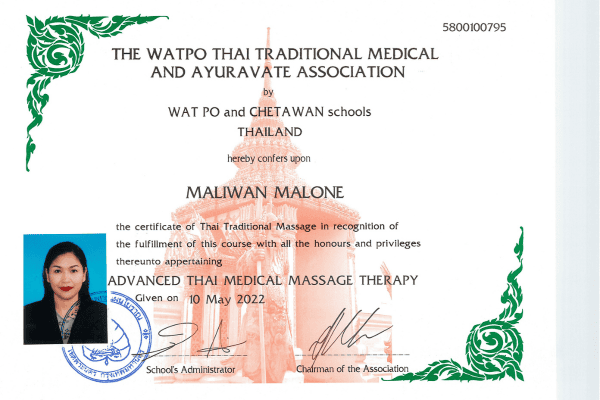
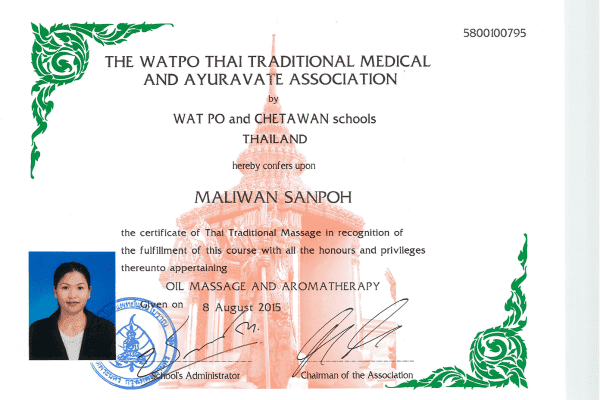
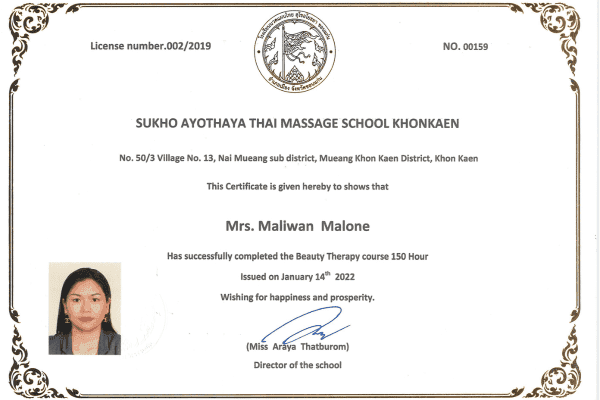
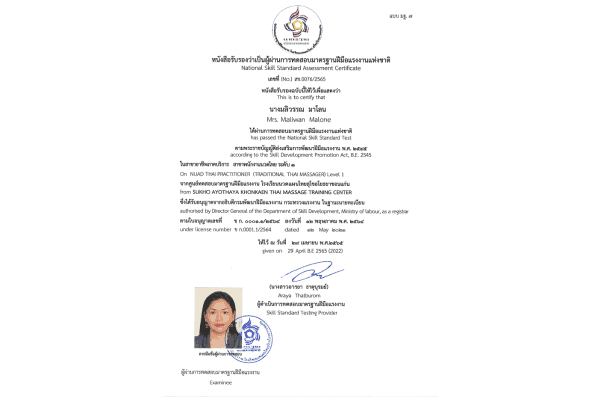
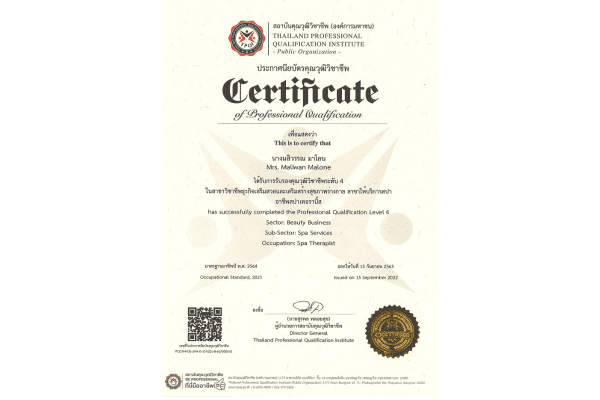
Not every massage studio works with the kind of tension NHS staff bring through the door. Maliwan, our head therapist with over twenty years of practice and training at Wat Pho in Bangkok, finds that healthcare workers often arrive thinking they need relaxation — but what they actually need is someone to work the structural tension that has built up from how they work, not just how stressed they feel.
In our experience, nurses are often the last to prioritise their own care. The professional habit of putting others first carries home — and leads to appointments booked months apart rather than monthly. The clients we see improve most consistently are those who treat their sessions as non-negotiable, not as an occasional reward.
That distinction matters for nurses specifically. Deep relaxation is an outcome, not the mechanism. The work that shifts the pattern is targeted: the thoracic erectors and quadratus lumborum stressed by patient lifting, the levator scapulae and upper trapezius loaded by sustained leaning, the plantar fascia and calves tightened by long ward shifts.
One client — a healthcare worker putting in twelve-hour days — arrived with shoulders so sore she could barely lift her arms. After a single session, what she had accepted as her normal baseline had gone.
Glasgow Thai Massage is in the city centre, which matters for NHS Greater Glasgow and Clyde staff working across multiple hospital sites. Whether you’re based at the Royal Infirmary or rotating through the Queen Elizabeth University Hospital, West Nile Street is accessible from both: two minutes from Buchanan Street subway, five minutes from Queen Street station.
Book a session that fits your rota — daytime, between shifts, or on a day off.
Recommended Treatments for NHS Staff
The treatments best suited to the load nurses and healthcare workers carry:
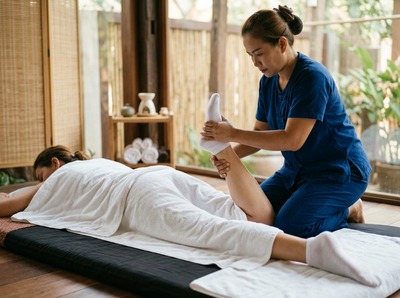
- Traditional Thai Massage — performed fully clothed on a mat, using acupressure and assisted stretching along the body’s sen energy lines. The most effective option for structural tension in the lower back and thoracic spine built up from patient handling. This is therapeutic bodywork, not a relaxation session.
- Thai Sports Massage — targeted deep-tissue work for specific pain sites. If your lower back or shoulder is the primary complaint, this is the most direct route to relief.
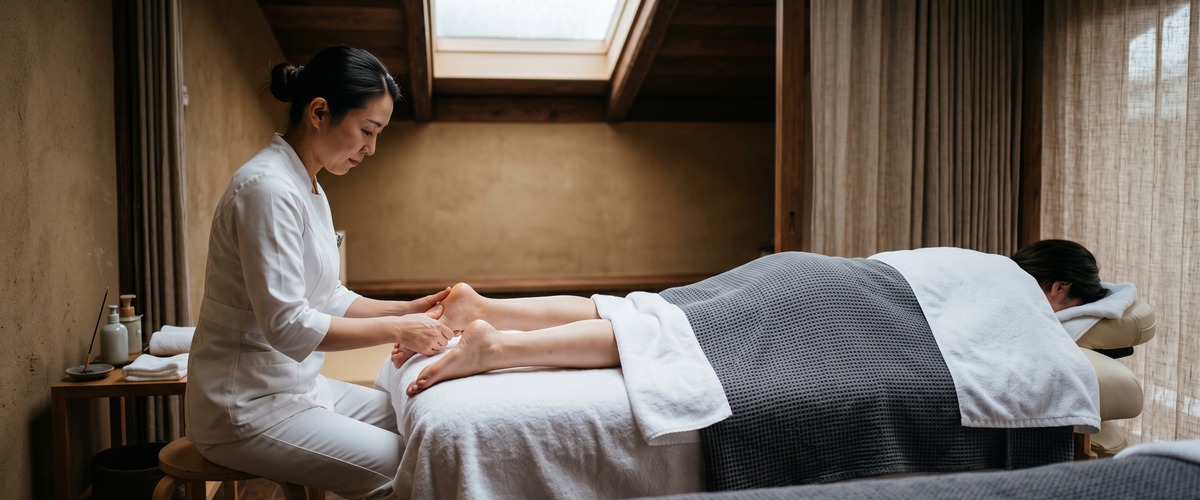
- Thai Foot Massage — reflexology-based foot and lower leg treatment for nurses on their feet all shift. The cumulative effect of twelve-hour standing builds in the feet and calves in ways that don’t resolve overnight.
- Thai Oil Massage — for those whose primary need is nervous system reset. The rotating-shift body often needs to come down from a sustained stress state before deep structural work can fully land; the oil massage is the better starting point if you’re coming in during an acute period of fatigue or disrupted sleep.
Maliwan will advise on the right combination on your first visit based on what you’re carrying.
Getting Here and Booking
Glasgow Thai Massage is at Floor 3 Suite 4, Victoria Chambers, 142 West Nile Street, Glasgow G1 2RQ. Buchanan Street subway is a two-minute walk; Queen Street station is five minutes on foot. The city-centre location sits between both ends of the NHSGGC hospital network, making it realistic to book a session on the way home or on a break between commitments.
The online booking form is available at any time, which suits healthcare schedules that don’t run office hours. If you need an appointment after a night shift, on a short-notice day off, or with a fortnightly pattern that fits around your rota, book online and choose the first slot that works.
The rotating-shift body doesn’t stay damaged because treatment doesn’t work. It stays damaged because appointments get deprioritised. Book your session and find out how different your body can feel when someone addresses the actual load.
Thai Massage Therapy from Practitioners Who Get It
Glasgow Thai Massage is well reviewed by its clients, a reputation earned from clients who came in with real occupational load, not occasional holiday tension. Maliwan’s Wat Pho training means every session is structured therapeutic bodywork. The acupressure and sen line work at the heart of traditional Thai massage reaches the deep structural tension from patient handling in ways that surface-level relaxation massage doesn’t.
Healthcare workers who come in regularly find that relief starts lasting longer between sessions. The tension pattern built from shift work and patient lifting doesn’t disappear in one visit, but with consistent sessions it stops re-establishing as strongly. That’s the case for maintenance, not for a once-a-year treat.