Thai Massage for Office & Desk Workers
Thai massage for office and desk workers addresses something more specific than general back pain. Eight hours a day at a screen builds a named musculoskeletal pattern: upper cross syndrome. The head migrates forward — every inch adding roughly ten pounds of load to the cervical spine — the mid-back stiffens into flexion, and the hip flexors shorten from sustained sitting. The upper trapezius and levator scapulae brace against the whole chain. A standing desk helps for twenty minutes. A foam roller addresses the surface of the thoracic spine. Neither can hold you in thoracic extension while simultaneously releasing the cervical chain. That requires a practitioner and, specifically, the kind of assisted work traditional Thai massage was built around.
Most competing massage providers in Glasgow city centre list relaxation, Swedish, or deep tissue massage as their primary offering for desk workers. These address the upper back in isolation. Very few offer the full-body assisted stretching that treats the hip flexors, thoracic spine, and cervical chain as the connected pattern they actually are — which is what sustained sitting creates.
The pattern compounds quietly. Shortened hip flexors tilt the pelvis forward and load the lumbar. The stiffened mid-back shifts load upward.
The neck tightens around a head that has drifted several centimetres further forward than it should be. Most Glasgow office workers live inside this chain long enough that the stiff turn, the dull ache between the shoulder blades, and the headache that arrives around four o’clock stop registering as warning signs and simply become baseline.
Book your session today if that sounds like your workday.
Why Traditional Thai Massage Works for Desk-Based Professionals
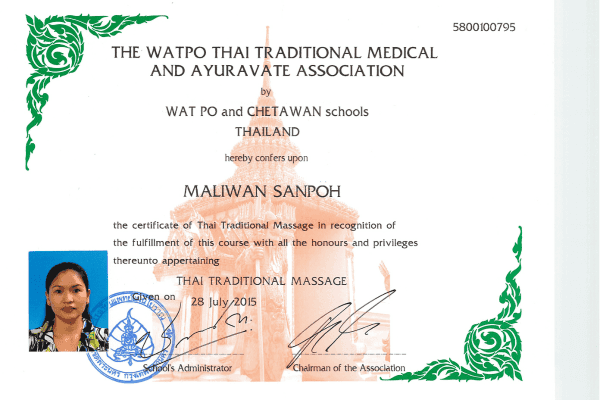
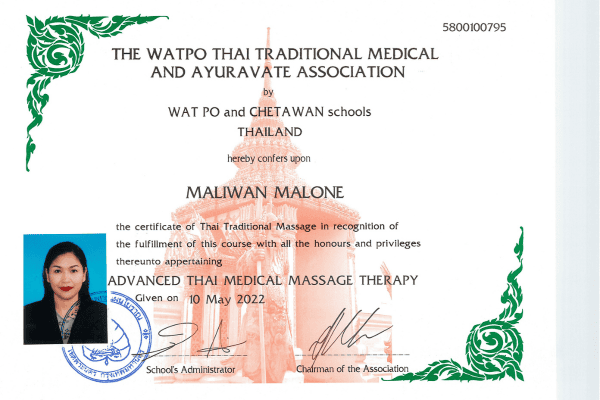
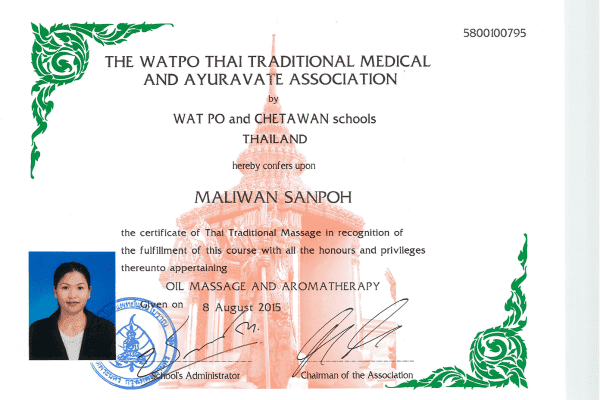
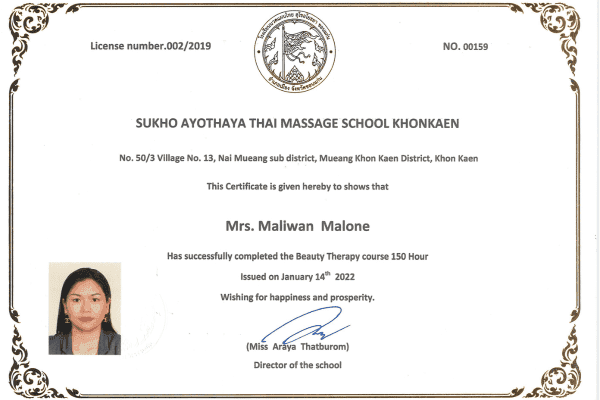
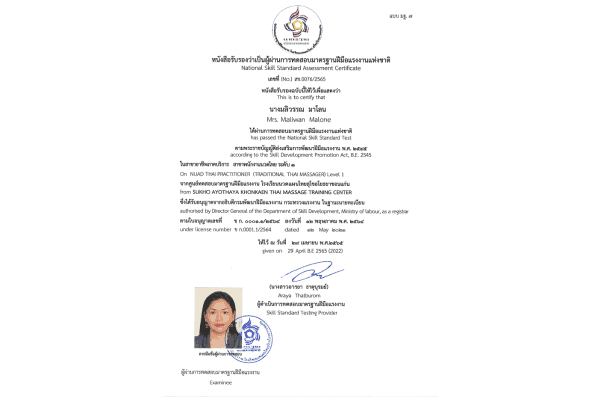
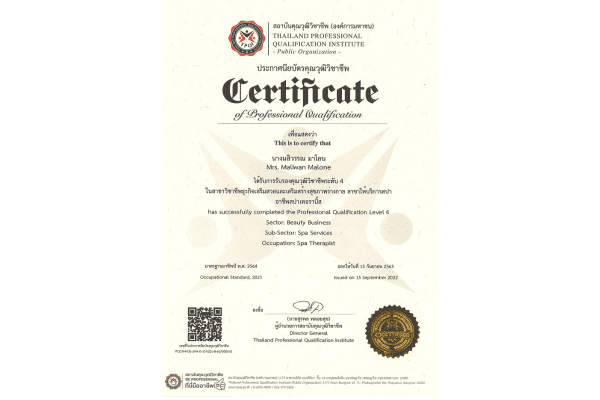
Maliwan, Glasgow Thai Massage’s owner and head therapist, trained at Wat Pho Thai Massage School in Bangkok and has practised for over twenty years. She describes the shift that happens when a client finally understands what their body has been doing.
“A lot of people arrive thinking they need to relax,” she explains, “but what they actually need is to understand why their body got this way. I spend time explaining the tension pattern I’m finding: the muscle groups that have shortened from how they sit, where the restriction is.”
The question we hear most often from first-time clients with a desk job is some version of: will this actually last, or will it be back the next day? It is a fair question. One session reduces the tension significantly. It does not reverse months of accumulated shortening. The clients who see the most sustained change are those who understand that distinction and come back regularly.
In our experience, clients who have kept a foam roller on their desk for years still arrive with the same upper-cross pattern intact. Compression helps with surface soreness — it does not address the structural shortening that eight hours of sustained sitting actually creates. Once clients understand the difference, they tend to commit to regular sessions rather than treating a single visit as the fix.
That distinction matters for desk workers. One session produces real relief. Lois L., who works twelve-hour days and arrived with shoulders so sore she could barely lift them, described the soreness as having “miraculously disappeared” afterwards.
A pattern we notice across our reviews: clients who book for neck and shoulder pain frequently mention, unprompted, that a persistent headache they had been attributing to screen time or dehydration had cleared by the end of the session — the suboccipital tension that was causing it released as part of the same work.
But the upper-cross pattern that built over months needs consistent work to unwind. Book a session and start from where you are.
The treatments that address this pattern most directly are:
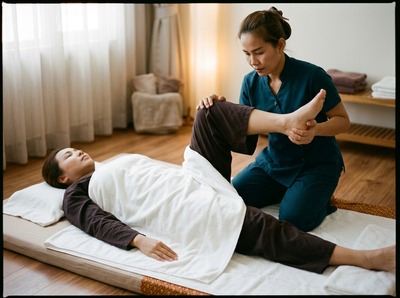
- Traditional Thai Massage — fully clothed on a floor mat, using acupressure along the body’s sen energy lines and assisted stretching that opens the thoracic spine, lengthens the hip flexors, and releases the cervical chain. This is the treatment best matched to what eight hours of screen work builds, because the structural work reaches tissue that passive self-stretching cannot.
- Thai Oil Massage — combines flowing stroke technique with heated oils and targeted upper-back work. A better fit if you prefer a more fluid session or are coming for the first time and want a gentler introduction to deep work.
- Thai Head Massage — focuses on the scalp, jaw, neck, and suboccipital region, which is exactly where screen-and-deadline tension tends to concentrate for desk workers. A practical choice for a lunchtime appointment.
- Thai Sports Massage — for desk workers who also train and find the boundary between occupational tension and exercise soreness difficult to separate.
If you are unsure which to book first, contact us via the booking form and we will point you toward the right starting point.
Book Thai Massage Therapy Around a Glasgow Office Worker’s Day
Glasgow Thai Massage is at Floor 3 Suite 4, Victoria Chambers, 142 West Nile Street, G1 2RQ. Buchanan Street subway is a two-minute walk.
For anyone working around St Vincent Street, Blythswood Square, or the financial district to the south, it is a ten-to-fifteen-minute walk from the end of the working day — or a realistic lunchtime trip for shorter treatments. Evening appointments are available for those who cannot leave a desk before five.
Clients on hybrid schedules often time their sessions to coincide with the days they are already commuting in. Those working fully from home — in the West End, South Side, or surrounding areas — tend to book lunchtime or early-evening slots, treating the trip as standalone rather than an add-on to an office day. Either pattern works; the city-centre location is accessible from most parts of Glasgow without a car.
Book online now to see current availability, or check all treatments before deciding.
Maliwan brings over twenty years of practice and Wat Pho training to every session. The practice holds a 4.9-star rating from clients who consistently arrive describing neck, shoulder, and lower back complaints that desk work has built over months or years.
This is not a luxury — it is the maintenance work the upper-cross pattern eventually demands. The only question is whether you address it now or after the headaches and the restricted neck rotation have become the new normal.