Thai Massage for Stressed Professionals
Thai massage for stressed and burnt-out professionals addresses something most treatments miss: the problem is not simply that your muscles are tight. It is that your nervous system no longer knows how to stop. You sit through a spa treatment, someone works product-scented oil across your shoulders, and your brain is already composing the next reply. The tension is still there. You walk out spending the same weight you walked in with, lighter in the wallet but not in the body.
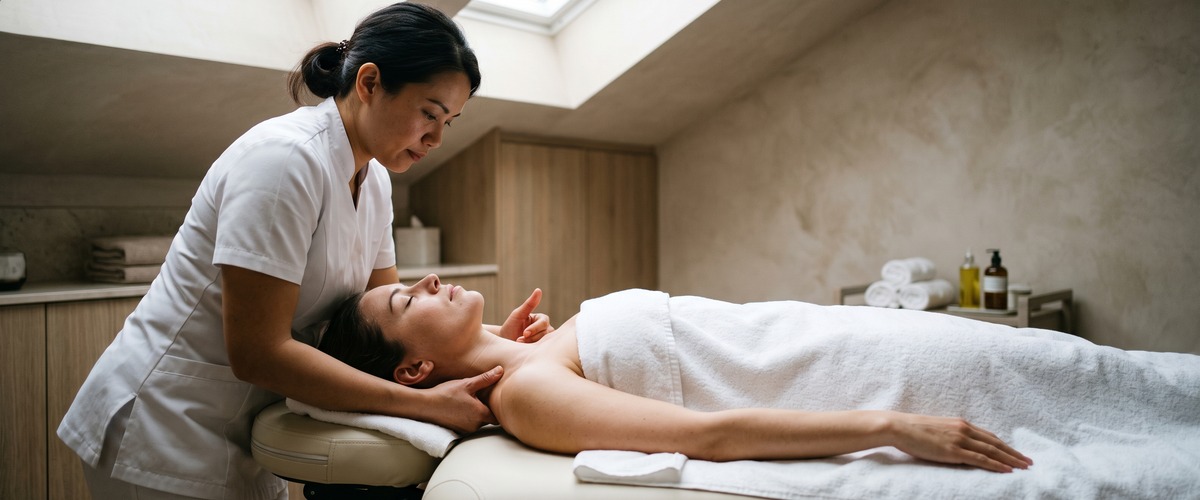
Traditional Thai massage is built differently. Slow, sustained assisted stretching opens the chest and thoracic spine — the same structures that compress and close when you sit at a screen for eight hours or hold your breath through a difficult meeting. The rhythmic compression along the body’s energy lines gives your nervous system a stimulus it can actually respond to: consistent, unhurried, methodical.
Research confirms that this type of sustained pressure activates the parasympathetic nervous system, measurably increasing heart rate variability and reducing cortisol. For a professional whose stress response has become their resting state, this is not a treat. It is a physiological reset.
That distinction matters for Glasgow professionals in particular. Scotland’s income tax structure means a Glasgow professional earning around £50,000 takes home less than a counterpart doing the same job in Manchester or Leeds: a quiet financial squeeze sitting on top of the visible work pressure.
Meanwhile, burnout in Glasgow’s public sector is not abstract. Union representatives described Police Scotland as at “breaking point” in early 2025, with mental health absences rising by fifty per cent. If you work in or around that system, the weight is institutional, not a personal failing.
The physical pattern is consistent across professions. Chronic cortisol elevation causes the body to hold a low-level guarding response: shoulders rise, the upper trapezius shortens, and the jaw muscles clench. Forward head posture from sustained screen use loads the suboccipital muscles and reduces thoracic mobility.
Shallow chest breathing, which is almost universal in people under prolonged stress, compounds the problem by keeping the sympathetic nervous system activated. The tension is not just in the muscles. It is in the breathing pattern that feeds it, and the breathing pattern that the muscles maintain in turn.
Book a session and see what your body is actually carrying.
Why Traditional Thai Massage Reaches Burnt-Out Professionals Differently
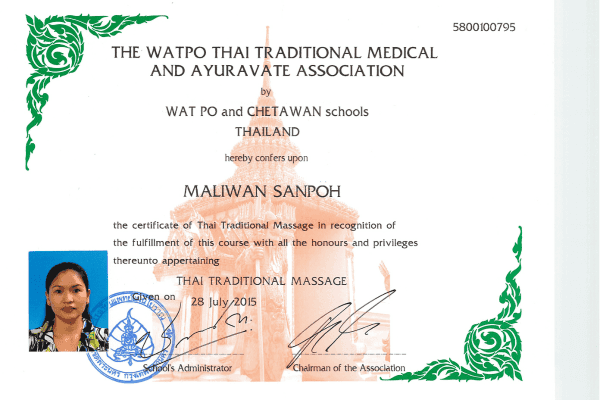
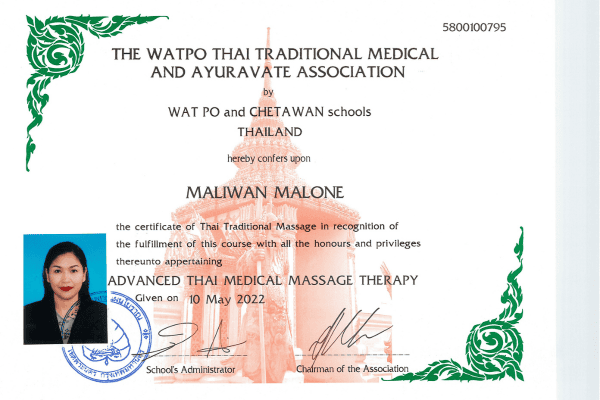
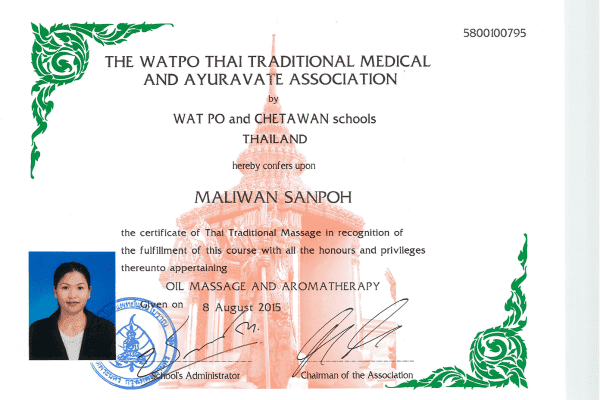
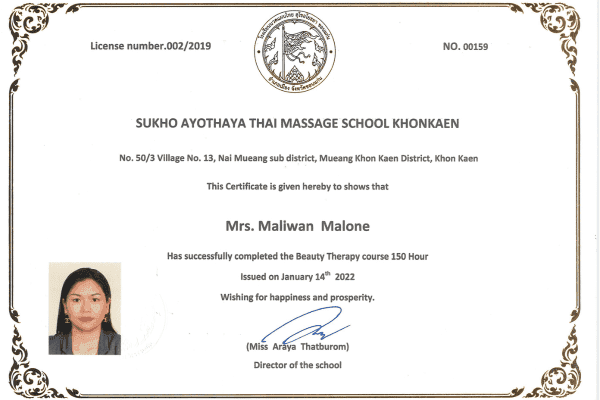
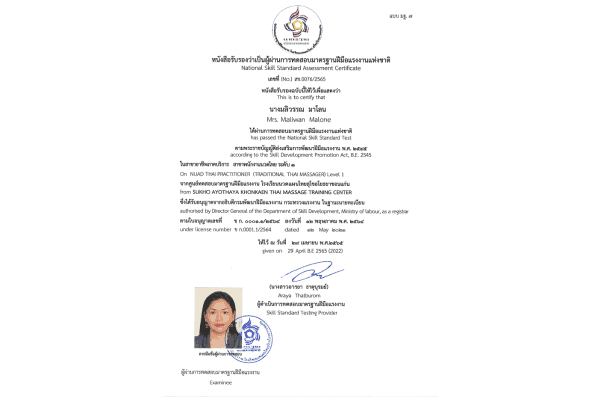
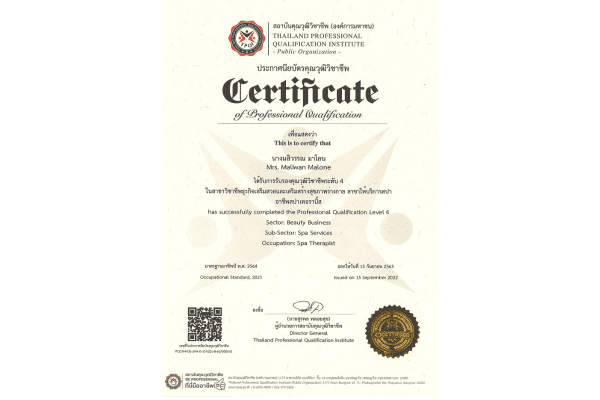
Maliwan, owner and head therapist at Glasgow Thai Massage, trained at Wat Pho in Bangkok and has practised for over twenty years. She finds that many clients arrive believing they simply need to relax. What they usually need first is to understand why their body got this way.
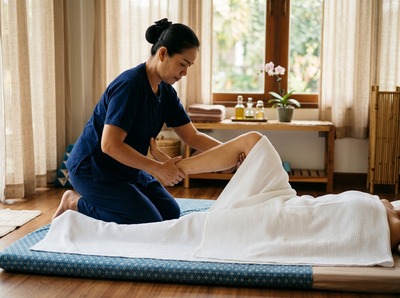
The tension pattern tells a story: the specific muscle groups that have shortened, where the restriction is, why the upper back feels locked. Once a client understands the pattern, they tend to stop treating sessions as an occasional gesture and start treating them as maintenance.
In our experience, the clients who hold off longest are often carrying the most. The reasoning is almost always the same: “I’ll come once things ease up.” But chronic stress does not ease up — it recalibrates, and the body tightens around whatever level it is holding.
This is where the contrast with a product-led spa treatment becomes significant. A rushed sixty minutes with upsells and ambient playlists may soften surface tension temporarily. It rarely touches the structural compression in the thoracic spine, the shortening in the chest muscles that keeps the breath shallow, or the suboccipital tightness that generates tension headaches.
Traditional Thai Massage for burnt-out professionals works the full pattern: acupressure along sen energy lines, assisted stretching that opens the chest and allows the breath to deepen naturally, and compression that gives the nervous system a consistent signal to down-regulate. This is the mechanism that a surface-level treatment never reaches.
Maliwan’s observation holds across the clients she sees most regularly: one put it plainly after her first session, “I didn’t know my shoulders could feel this loose.” She had been carrying that tension so long it had become her baseline. That is the moment the work is landing: when someone realises their body can actually feel different.
Lois L., who works twelve-hour days, described her shoulders as so sore she could barely lift them before booking. After her session, the soreness “miraculously disappeared.”
That outcome is not luck. It is the result of sustained, precise work on the pattern that accumulated over time.
Recommended Treatments for Overworked Professionals
The treatments most suited to chronic stress and burnout are those that address both the structural tension and the nervous system pattern:
- Traditional Thai Massage — performed fully clothed on a mat, this is the core treatment for stress-held structural tension; sen line work and assisted stretching open the chest and thoracic spine, inviting the breath to deepen on its own
- Thai Oil Massage — combines flowing therapeutic strokes with heated oil; the sensory ease of this treatment is often what allows highly wound clients to surrender more quickly on a first visit
- Thai Head Massage — focused on the scalp, neck, and upper shoulders; well suited to those carrying tension headaches, jaw clenching, or the compressed, vice-like feeling that builds with sustained cognitive load
Browse all treatments or book a session and let Maliwan advise on the day based on what your body presents.
Book Thai Massage Therapy Around Your Working Day
Glasgow Thai Massage is at Floor 3 Suite 4, Victoria Chambers, 142 West Nile Street. It is a short walk from Buchanan Street subway and within easy reach of the offices around Blythswood Square, the financial district on St Vincent Street, and the legal quarter along Nelson Mandela Place. For Glasgow city centre professionals, that means a lunchtime or post-work session without adding forty minutes of commute to an already long day.
Sessions are bookable online at any time. If it is your first visit and you are unsure which treatment fits, just explain what you are carrying when you book: where the tension is, how long it has been there, what your days look like. The session adapts to you from there.
Maliwan and her team hold a 4.9-star rating from clients who arrived sceptical and left converted. Chris M., on his third visit, described the work as “precise and incredibly intuitive — she knew exactly where to apply pressure and how to release tension without ever causing discomfort.”
That precision is not a protocol. It is twenty years of Wat Pho-trained practice applied to the specific way each body has learned to carry its load.
If you have been telling yourself you will book when things calm down, this is worth reading again: things calm down when you give your nervous system a reason to stop bracing. That is exactly what this work is for.