Thai Massage for Waiters & Hospitality Staff
When the last cover walks out and you finally stop moving, you know what a double shift does without needing anyone to explain it. The calves are burning. The lower back has been under load since you first picked up a tray. The shoulders are braced in the same position they have been in since the first table of the evening, and the neck has been tracking, checking in, staying alert for six, eight, ten hours straight. That post-shift collapse is not tiredness in a general sense. It is specific, accumulated mechanical load — and it does not flush out with a good night’s sleep.
Front-of-house work creates a consistent and identifiable strain pattern. Waiters and hospitality staff carry an average tray load of 6 kg extended away from the body, which multiplies the force on the lumbar spine with every step. Over 90% stand five to eight hours per shift, most of it on hard tile or concrete.
The result is a chain reaction from the floor up: plantar fasciitis and calf tightness from the surface underfoot, lumbar overload from the asymmetric tray carry, upper trapezius and levator scapulae tension from bracing the shoulder all service, and a forward head position from scanning a floor plan all evening. This is not a generalised ache. It is a recognisable occupational pattern, and it builds shift by shift.
Thai massage for waiters and hospitality staff is recovery work. Not pampering. The distinction matters because it changes how you approach booking: not as something you earn after a rough month, but as something you do to keep functioning through a demanding job.
Book a session and treat it the same way you treat decent footwear or a rest day.
Why Traditional Thai Massage Works for Front-of-House Workers
Glasgow Thai Massage is on West Nile Street in the city centre, a two-minute walk from Buchanan Street subway and within easy reach of the main restaurant and hotel corridors in the Merchant City, city centre, and Blythswood area. For front-of-house workers coming off a lunch service or finishing a late shift, it is not a detour out of the way. It is close enough to fit between shifts or at the end of a working day without requiring planning.
As Maliwan explains, hospitality clients often arrive not just tight but genuinely unaware of how restricted their movement has become: “I spend time explaining what I’m finding — the tension pattern, the muscle groups that have gone tight from how they stand and carry. Once they understand the ‘why,’ they commit to coming back regularly instead of just once.” That matters for front-of-house workers whose strain is not a one-off incident but the same postures and loads repeated across every service.
Lois L., who works 12-hour days in a hospitality role, came in with shoulders so sore she could barely lift them. After one session, she described the soreness as having “miraculously disappeared.” That result comes from targeted work on a specific pattern, not from a generic treatment.
See all treatments to find the right session for where you are.
Treatments That Address the Full Shift Pattern
The shift takes a toll from feet to neck — the treatments below match that range. Your therapist will focus on the areas under the greatest load rather than giving a uniform treatment that misses the occupational specifics.
- Thai Foot Massage — a reflexology-based treatment covering the foot, heel and lower leg. For anyone ending a shift on concrete or tile, this is where the session often begins. The foot arches and calf chain absorb the cumulative impact of hard-floor standing; this treatment addresses it directly.
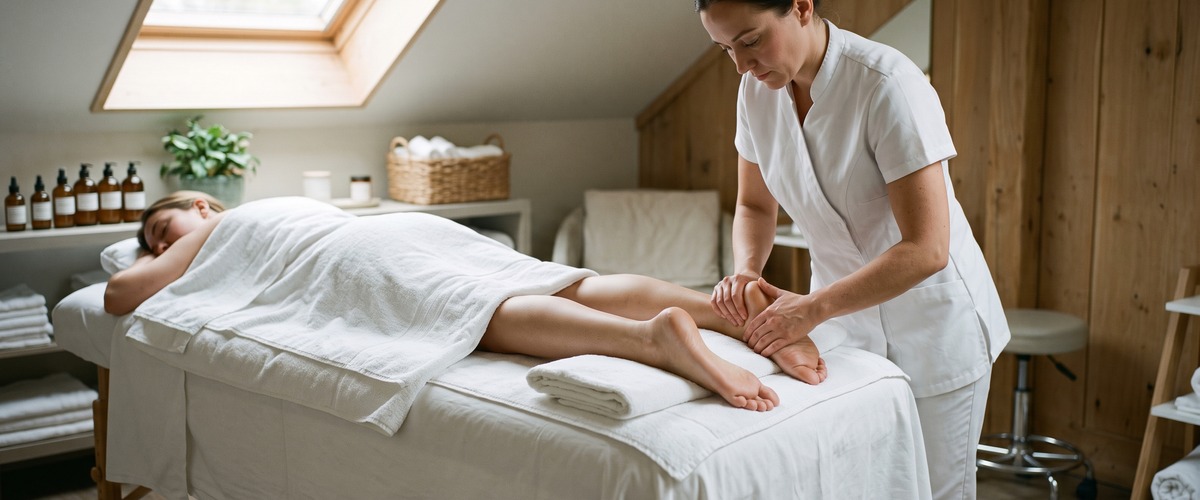
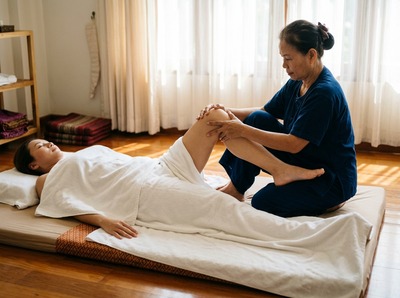
- Traditional Thai Massage — performed fully clothed on a mat, using acupressure, assisted stretching and compression along the body’s sen energy lines. A full-body session is the most effective option for the combined pattern of calf tightness, lower back pain, and upper-back tension that builds across a service. The dead-legs-after-a-double feeling — the locked-in cumulative load — responds well to this approach.
- Thai Sports Massage — deep targeted work on the specific muscle groups under the most stress. Useful for the recovery phase after a heavy weekend of doubles, or when a particular area needs focused attention.
Getting Here and Booking — Thai Massage Therapy for Hospitality Professionals
Glasgow Thai Massage is at Floor 3 Suite 4, Victoria Chambers, 142 West Nile Street, Glasgow G1 2RQ. Buchanan Street subway is a two-minute walk; bus routes on Sauchiehall Street and West Nile Street connect the studio to most of the south side and west end. There is space to sit and settle before your session, which is useful if you have come straight from service.
Appointments are available seven days a week. Book online or call 0737 932 2305. Evening slots book up quickly on weekends, so booking ahead is worthwhile if your rota gives you an early finish.
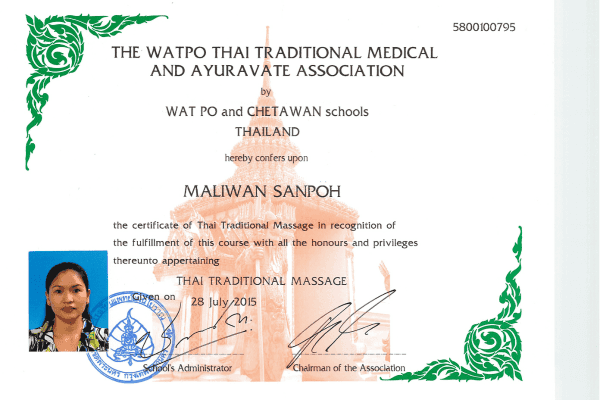
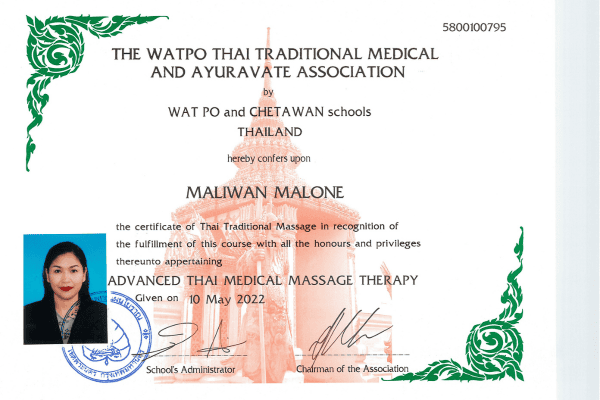
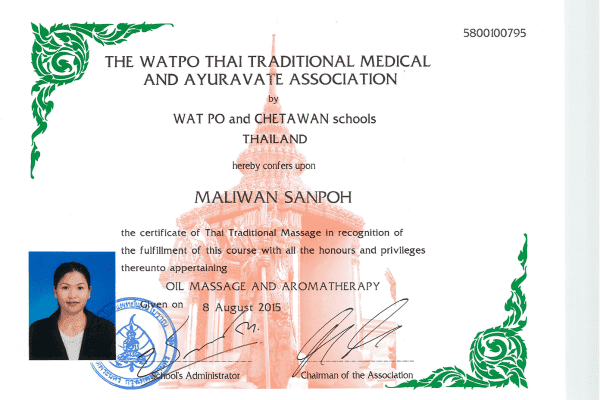
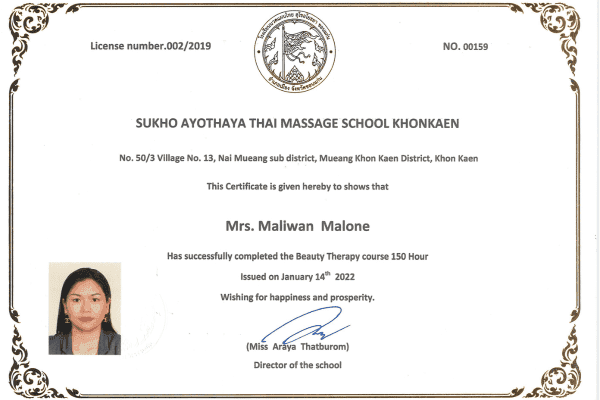
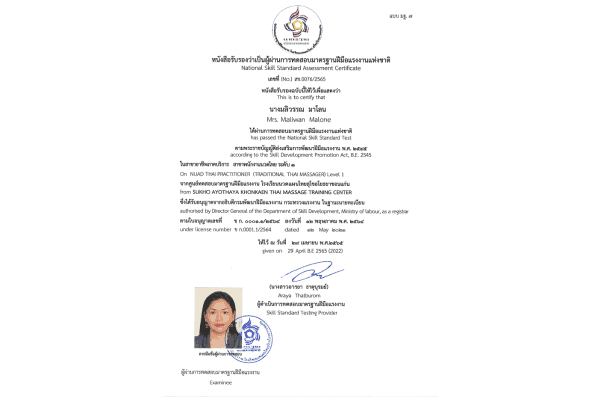
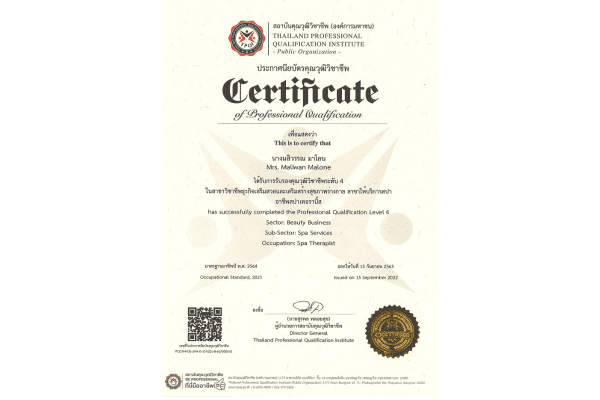
Maliwan trained at the Wat Pho Thai Massage School in Bangkok and brings more than 20 years of practice to every session. The team works on a consistent caseload — clients return to the same practitioners, sessions build on each other, and the tension pattern that comes with your job gets addressed as a pattern over time, not reset from scratch each visit. For front-of-house workers whose strain is structural and ongoing, that continuity is what makes regular sessions worthwhile rather than a series of temporary fixes.